
28th Oct 2026
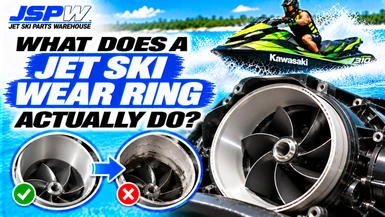
What Does a Jet Ski Wear Ring Actually Do?
If your jet ski revs hard but struggles to accelerate, takes longer to get on the plane or has lost its usual top speed, a worn wear ring could be part of the problem.
The wear ring is a relatively small component inside the jet pump, but it plays an important role in how efficiently your jet ski converts engine power into forward thrust. When it becomes worn or damaged, water can escape around the impeller instead of being directed efficiently through the pump.
In this guide, we'll explain what a jet ski wear ring does, how it works with the impeller, what happens when it wears out and when you should replace it.
What Is a Jet Ski Wear Ring?
A wear ring is a cylindrical sleeve fitted inside or associated with the jet pump housing, surrounding the impeller. Depending on the watercraft and pump design, it may be made from a composite material, engineering plastic or metal.
Its main job is to maintain a small, controlled clearance between the impeller blade tips and the surrounding surface. This helps the jet pump move water efficiently and generate the thrust needed to propel the craft.
The wear ring also acts as a sacrificial component on designs that use one. If sand, small stones or other debris enters the pump, the ring may take some of the damage that could otherwise affect more expensive components.
Not every jet ski uses a separate replaceable wear ring. Some pump designs use a different housing or liner arrangement. Yamaha models, for example, may have a different setup from many Sea-Doo models, so always confirm the correct parts for your particular craft.
How Does a Wear Ring Work?
A jet ski's propulsion system works by drawing water through the intake grate and into the jet pump. The engine turns the impeller, which accelerates the water and directs it through the pump outlet and nozzle. The expelled water produces thrust that pushes the craft forward.
The wear ring helps this process by keeping the clearance around the impeller blade tips within the specified limits.
When the wear ring is in good condition
The impeller operates with the intended clearance, helping the pump maintain efficiency and produce thrust.
When the wear ring is worn
Excessive clearance or damage can allow more water to recirculate around the impeller, reducing pump efficiency and potentially contributing to cavitation and loss of acceleration.
The important point is that the wear ring doesn't generate power itself. It helps the impeller and pump use the engine's power effectively.
3. What Happens When a Wear Ring Wears Out?
Over time, the wear ring can become scratched, gouged, deformed or enlarged by abrasion and debris. As the clearance between the impeller and ring increases, pump efficiency can fall.
Common symptoms include:
-
Poor acceleration: the jet ski takes longer to build speed.
-
Cavitation: the engine revs up, but the craft doesn't accelerate as expected.
-
Reduced top speed: the jet ski no longer reaches its usual speed under comparable conditions.
-
Unusual vibration or noise: possible if the impeller or pump has also been damaged.
-
Visible scoring: deep grooves or damage inside the ring when inspected.
A worn wear ring is one possible cause of cavitation, but it isn't the only one. A damaged impeller, blocked intake, air entering the pump or other pump-related faults can produce similar symptoms.
4. What Damages a Jet Ski Wear Ring?
Several factors can shorten the life of a wear ring.
Sand and shallow water
Operating in shallow or sandy areas can expose the intake to abrasive material. Sand can accelerate wear, while larger particles may leave grooves or cause more serious damage.
Rocks, shells and other debris
Small stones, shells, sticks and other objects can enter the intake and damage the ring or impeller. A single incident can cause damage that requires inspection.
Foreign objects entering the pump
Weeds, rope and other debris can interfere with pump operation. Depending on the object and circumstances, damage may extend beyond the wear ring.
Normal wear over time
Even with careful use, the ring can gradually wear. The rate depends on the design, operating environment, materials and condition of the pump.
If you regularly ride in shallow or debris-prone water, inspect the pump more frequently and follow the maintenance schedule for your model.
5. How Do You Check if Your Wear Ring Is Worn?
Here's what to look for:
-
Inspect the intake area. With the engine safely disabled, check for visible debris or damage.
-
Look for scoring. Deep grooves, cracks, deformation or obvious damage warrant further inspection.
-
Check the impeller. Bent, chipped or damaged blades can also affect performance.
-
Measure the clearance. Use the method and specifications in the correct service manual.
-
Inspect the rest of the pump. Check for damage or other faults that could explain the symptoms.
The correct clearance varies by model and pump design, so don't rely on a universal measurement. A visual check alone may not reveal excessive clearance, and the pump may need to be removed for a proper inspection.
Safety first: Remove the safety lanyard and follow the manufacturer's procedure before inspecting the impeller. Never place your hands near the impeller while the engine could start.
6. Can You Replace Just the Wear Ring?
In many cases, yes. If the wear ring is a separate replaceable component and the impeller and pump housing remain serviceable, replacing the ring may restore the specified clearance without replacing the entire pump.
However, the correct repair depends on the design and condition of the components.
|
Condition |
Possible action |
|---|---|
|
Wear ring damaged, impeller undamaged |
Replace the wear ring if the design allows it. |
|
Wear ring and impeller both damaged |
Inspect both and replace whichever components fail specifications. |
|
Pump housing damaged |
Determine whether the housing can be repaired or must be replaced. |
|
Cavitation but no obvious wear |
Investigate other possible causes before ordering parts. |
Some replacement rings are designed for particular aftermarket pump housings and may not fit the original equipment housing. Always check compatibility before purchasing.
7. Should You Choose a Plastic or Stainless Steel Wear Ring?
The right option depends on your jet ski's pump design and how you use it.
Composite or plastic wear ring
Common on many factory pump designs. It can provide the specified clearance while serving as a sacrificial component when debris enters the pump.
Stainless steel ring or liner
Available for some pump designs and may offer greater resistance to abrasion. It must be compatible with the housing and intended impeller clearance.
Stainless steel is not automatically the best choice for every jet ski. A different material or clearance can change how the pump operates, and some aftermarket liners only fit their matching housings. Confirm the manufacturer's or supplier's fitment information before upgrading.
8. How Often Should You Replace a Wear Ring?
There is no universal replacement interval. Wear rings are generally replaced when inspection shows that the ring is damaged or the impeller clearance exceeds the manufacturer's specification.
Inspect the pump if you notice a change in performance, particularly after sucking up debris or operating in shallow water. It's also sensible to check the ring and impeller whenever the jet pump is removed for other maintenance.
Replacing a ring that is still within specification may not be necessary. On the other hand, ignoring excessive wear can leave you with poor performance and potentially more extensive pump damage.
Final Thoughts
A jet ski wear ring may look like a simple sleeve, but it plays an important role in pump efficiency, acceleration and overall performance. It maintains the required clearance around the impeller and can help protect other pump components from debris damage.
If your jet ski revs normally but struggles to accelerate, inspect the wear ring and impeller rather than automatically assuming the engine is at fault. Confirm the clearance against the correct service manual and check for other possible causes of cavitation.
At Jet Ski Parts Warehouse (JSPW), make sure you match replacement wear rings, impellers and related jet pump parts to your exact make, model and year before ordering.