
14th Oct 2026
Sea-Doo Carbon Seal Failure Symptoms: 7 Warning Signs to Look For
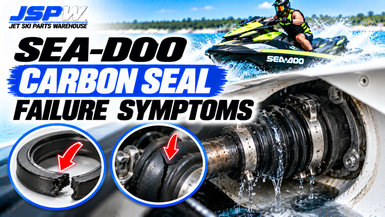
The carbon seal is an important part of the driveshaft system on many Sea-Doo personal watercraft. It helps prevent water from entering the hull where the driveshaft passes through, while allowing the shaft to rotate and drive the jet pump.
When the carbon seal begins to wear or fails, it can cause water leaks, poor acceleration and potentially serious damage if the problem is ignored.
The good news is that there are several warning signs you can look for before a minor seal problem becomes a major repair.
In this guide, we'll explain the most common Sea-Doo carbon seal failure symptoms, what causes the seal to fail, how to inspect it and when it should be replaced.
What Is a Sea-Doo Carbon Seal?
The carbon seal is part of the driveshaft sealing assembly. It uses a carbon ring that presses against a smooth metal collar, often called the stainless-steel hat or support ring.
A rubber bellows applies pressure to keep the two sealing surfaces in contact. As the driveshaft rotates, the metal collar turns against the stationary carbon ring.
This arrangement helps keep water out of the hull while allowing the driveshaft to rotate.
The seal relies on water for cooling and lubrication during normal operation. Running the craft out of the water for too long, excessive friction, misalignment or worn components can contribute to premature failure.
1. Water Entering the Hull
One of the most important warning signs is finding more water than usual inside the hull after riding.
A damaged carbon ring, worn sealing surfaces, a deteriorated bellows or a problem with the seal's retaining components can allow water to enter around the driveshaft.
What to look for
-
Water collecting around the driveshaft seal.
-
A persistent leak near the rubber bellows.
-
Water appearing in the engine compartment after a short ride.
-
A noticeable increase in the amount of water draining from the hull.
A small amount of water inside a personal watercraft does not automatically mean the carbon seal has failed. Water can enter through several other routes, including damaged hoses, loose clamps, drain plugs and exhaust connections.
If a significant amount of water appears unexpectedly, stop using the craft until the source has been identified. Water entering the hull can compromise the craft's safety and potentially damage electrical or engine components.
2. Cavitation During Acceleration
Another possible symptom is cavitation or ventilation, where the jet pump struggles to produce consistent thrust.
You might notice that the engine revs quickly, but the Sea-Doo does not accelerate as strongly as it normally would.
A worn carbon seal can allow air to enter the pump area under certain operating conditions. This can interfere with the pump's ability to maintain effective thrust.
Common symptoms include
-
Engine RPM rising without the expected increase in speed.
-
Weak acceleration from a standing start.
-
Intermittent loss of thrust.
-
The jet ski struggling to get onto the plane.
-
Acceleration becoming inconsistent under heavy throttle.
However, carbon seal failure is not the only possible cause. A worn wear ring, damaged impeller, obstructed intake grate or another pump-related problem can produce similar symptoms.
Inspect the complete jet pump and driveshaft system before replacing parts unnecessarily.
3. Black Carbon Dust Around the Seal
Black residue around the driveshaft sealing area can be a useful inspection clue.
As the carbon ring wears against the metal collar, it can produce dark dust. Excessive deposits, visible deterioration or pieces of carbon material warrant closer inspection.
Check for
-
Unusual quantities of black dust around the seal.
-
Carbon fragments near the driveshaft.
-
Uneven wear across the sealing surfaces.
-
Visible cracking, chipping or damage to the carbon ring.
A small amount of residue alone does not prove the seal has failed. The condition of the ring, metal collar, bellows and surrounding components should be assessed together.
If the ring is visibly damaged or the sealing surfaces are badly worn, replacement may be necessary.
4. A Worn, Damaged or Loose Rubber Bellows
The rubber bellows is responsible for applying pressure to the carbon ring assembly. If it deteriorates, loses its ability to maintain pressure or becomes damaged, the sealing faces may not remain properly engaged.
Warning signs include
-
Cracks or splits in the rubber.
-
Rubber that has become hard or deteriorated.
-
A visibly distorted or sagging bellows.
-
Loose or damaged clamps.
-
Signs of rubbing, overheating or other physical damage.
A faulty bellows can affect the carbon seal even when the carbon ring itself does not appear badly worn.
When inspecting the assembly, also check the metal collar, retaining clip and driveshaft for wear, corrosion or damage.
5. Excessive Heat or Signs of Overheating
The carbon seal generates friction as the driveshaft rotates. Under normal conditions, water helps cool the sealing surfaces.
If the craft is operated out of the water for too long, the seal can overheat. Excessive friction or poor alignment can also contribute to damage.
Look for
-
Discoloured or visibly damaged sealing surfaces.
-
A distorted or deteriorated rubber bellows.
-
Unusual wear on the carbon ring or metal collar.
-
Evidence that the assembly has been exposed to excessive heat.
Follow the exact Sea-Doo owner's manual procedure when running the engine out of the water for flushing or servicing. Do not assume that a particular run time or hose sequence applies to every model.
6. Water Leaking Around the Driveshaft When the Craft Is in the Water
A leak around the carbon seal may be visible when inspecting the engine compartment with the craft afloat.
The amount and location of any water entry can help identify the source, but the leak should be assessed carefully.
What to check
-
The joint between the carbon ring and metal collar.
-
The rubber bellows and its clamps.
-
The driveshaft for corrosion, roughness or visible damage.
-
The position and condition of retaining components.
-
Nearby cooling hoses, exhaust connections and other possible leak sources.
A carbon seal can also allow air to enter the pump without producing an obvious water leak while the craft is stationary. Therefore, a dry hull at rest does not conclusively rule out a seal problem.
Safety warning: Do not run the engine or place your hands near the rotating driveshaft to check for leaks. Any running inspection should follow the manufacturer's procedure and be performed by someone equipped to do it safely.
7. Driveshaft Vibration or Related Damage
Vibration is not a specific carbon seal symptom, but it can indicate a problem with the wider driveshaft assembly.
A bent or corroded driveshaft, damaged bearings, worn splines or engine misalignment can contribute to uneven wear on the sealing surfaces.
If the driveshaft is wobbling or the seal is wearing unevenly, simply replacing the carbon ring may not solve the underlying problem.
Have the driveshaft, engine mounts, alignment and associated components inspected when these symptoms are present.
What Causes a Sea-Doo Carbon Seal to Fail?
Several factors can shorten the life of a carbon seal.
Excessive running out of the water
The seal depends on water for cooling and lubrication. Running the engine out of the water without following the correct procedure can cause excessive heat and premature wear.
Normal wear over time
The carbon ring, metal collar and rubber bellows are subject to wear and deterioration. Their condition depends on operating hours, storage, maintenance and how the craft has been used.
Damaged or deteriorated bellows
A bellows that cannot maintain the correct pressure may allow the sealing surfaces to separate or wear unevenly.
Driveshaft misalignment or damage
A bent, rough or corroded driveshaft can damage the sealing assembly or prevent it from sealing correctly.
Incorrect installation
Improperly installed retaining components, damaged sealing surfaces or incorrect parts can lead to leaks and premature failure.
Corrosion and poor condition of related parts
Corrosion on the driveshaft or metal collar can damage the sealing surfaces and affect the assembly's ability to keep water out.
How to Inspect a Sea-Doo Carbon Seal
If you suspect a problem, start with a visual inspection while the craft is safely out of the water, with the engine switched off and the key removed.
-
Check the hull for water. Note how much water is present and where it appears to be collecting.
-
Locate the driveshaft seal. Identify the carbon ring, metal collar, bellows and clamps.
-
Inspect the rubber bellows. Look for cracks, distortion, deterioration and loose clamps.
-
Examine the sealing surfaces. Look for chips, uneven wear, scoring or visible heat damage.
-
Check for carbon dust. Excessive residue or fragments can indicate wear.
-
Inspect related components. Check the driveshaft, retaining components and engine mounts for damage or movement.
-
Investigate other leak sources. Cooling hoses, exhaust components, fittings and drain plugs can also allow water into the hull.
If the source of the leak is unclear, have the craft inspected by a qualified Sea-Doo technician. Do not launch a craft with a suspected serious driveshaft seal leak.
Should You Replace Just the Carbon Ring?
Not necessarily.
The carbon ring is only one component of the sealing assembly. Depending on the condition of the parts, a repair may also require a new bellows, metal collar, retaining clip, O-rings or other model-specific components.
Before ordering parts, inspect the entire assembly and confirm the correct parts for the exact make, model, year and engine.
If the driveshaft or related components are damaged, address the underlying issue rather than fitting a new carbon ring and leaving the cause of the failure unresolved.
Can You Keep Riding With a Bad Carbon Seal?
It is not recommended if you suspect the seal is allowing water into the hull or the assembly is seriously damaged.
A failing seal can allow water intrusion, and air entering the pump can affect propulsion. In severe cases, water entering the hull can become a safety issue.
If you notice a significant leak, rapidly increasing water inside the hull, severe vibration or a sudden loss of propulsion, stop riding as soon as it is safe to do so. Arrange an inspection before using the craft again.
Final Thoughts
The most important Sea-Doo carbon seal warning signs are water entering the hull, cavitation during acceleration, excessive carbon dust, a damaged rubber bellows and visible wear or heat damage around the driveshaft seal.
These symptoms do not all prove that the carbon seal has failed, but they indicate that the driveshaft sealing system deserves attention.
Regular inspections, correct out-of-water operating procedures and replacing worn components before they cause further damage can help keep your Sea-Doo reliable.
Jet Ski Parts Warehouse supplies parts for a range of personal watercraft, helping owners and mechanics find the right components for maintenance and repairs.